Woven wire mesh is a versatile material used across numerous industries, from construction and agriculture to food production and DIY projects. A critical factor in determining the suitability of woven wire mesh for a particular application is the relationship between wire thickness and hole size.
This blog will explore how these two factors impact the strength and functionality of woven wire mesh. Drawing on examples from The Mesh Company’s comprehensive range, we’ll guide you in choosing the best specifications for your project.
The Basics: What Are Wire Thickness and Hole Size?
Wire thickness refers to the diameter of the wire used to create the mesh. Hole size, or aperture, is the space between wires. Together, they determine the mesh’s strength, flexibility, and suitability for various applications.
For instance:
A thicker wire offers higher strength but reduces flexibility.
A larger hole size allows for greater airflow or water passage but reduces the overall structural integrity of the mesh.
Wire thickness and hole size work together to form the structural integrity of a woven wire mesh. A thicker wire provides greater strength and resistance to mechanical stress, while smaller holes contribute to tighter filtration and screening. However, when combined, their ratio determines the overall performance of the mesh. A balanced ratio ensures that the mesh maintains its desired functionality without compromising durability.
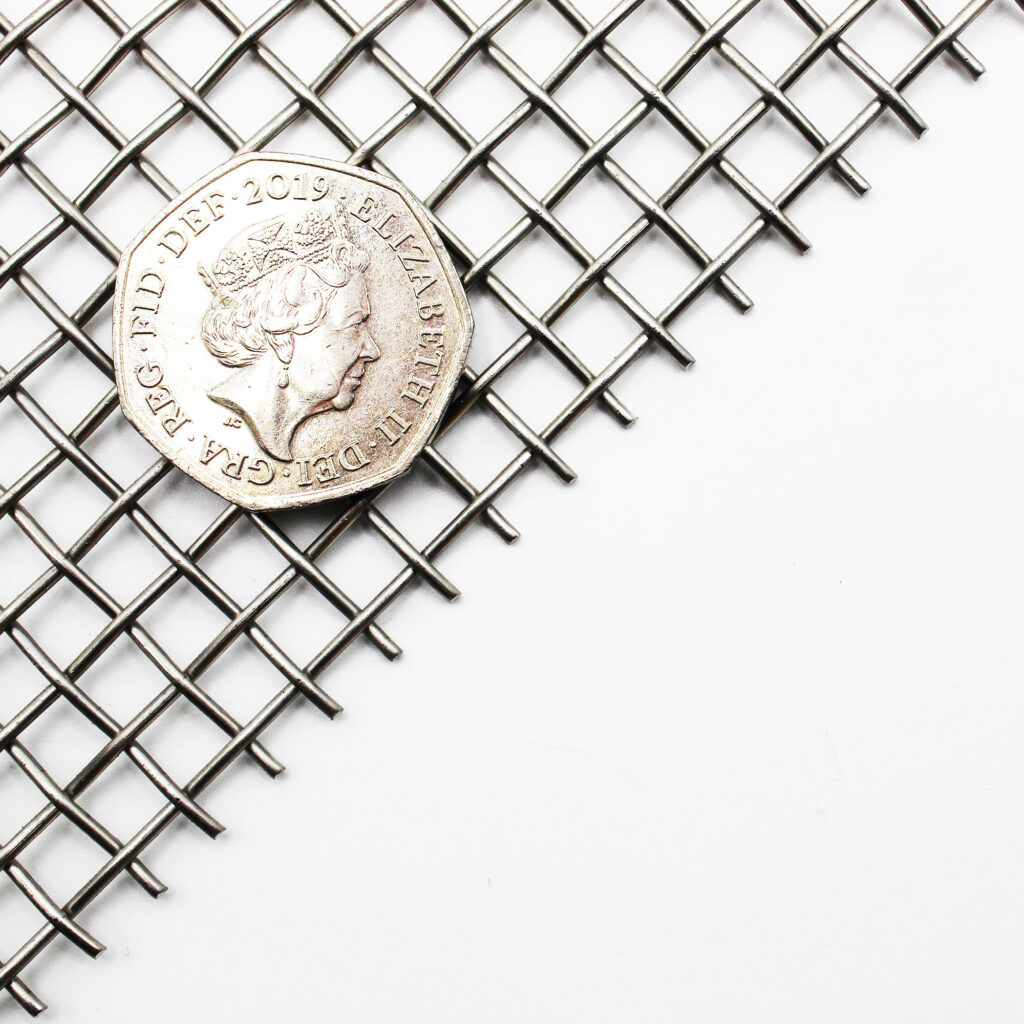
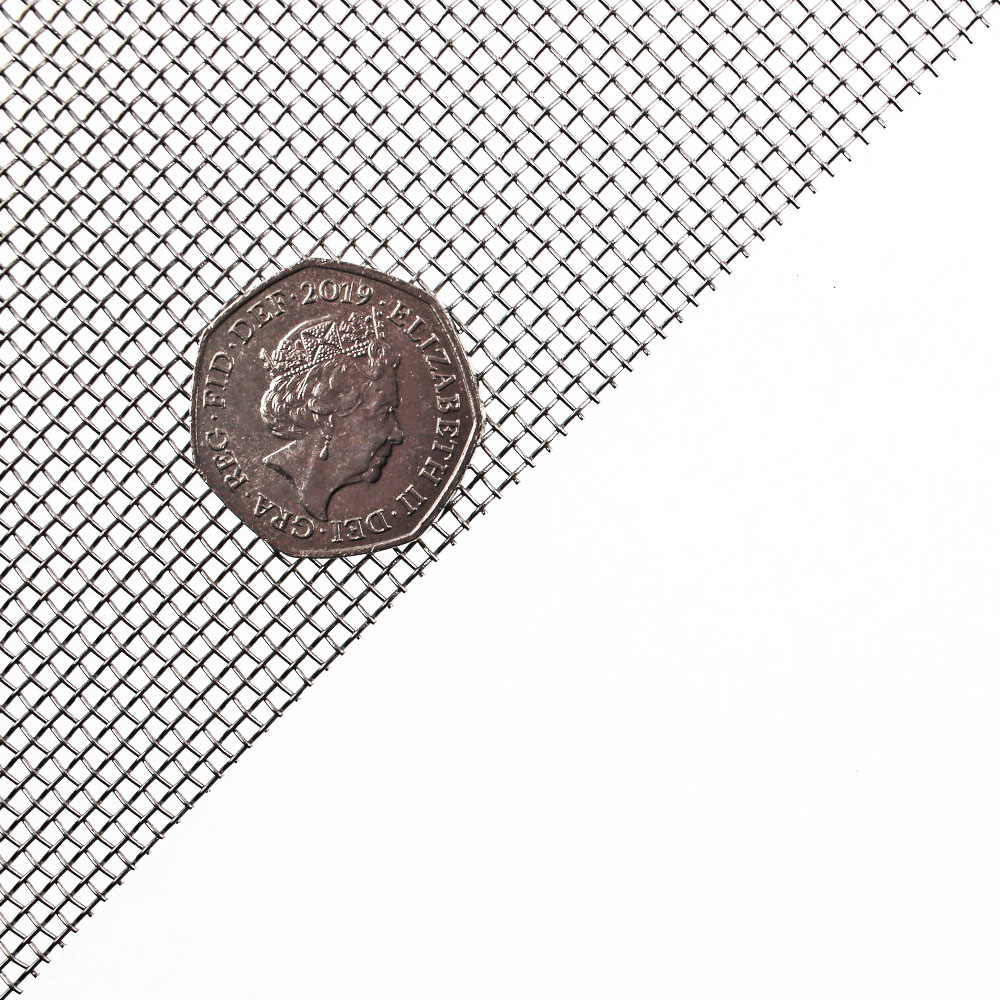
For example, if you compare two meshes with the same hole size but different wire thicknesses, the one with the thicker wire will have a higher breaking point and be less prone to deformation under pressure. On the other hand, a mesh with larger holes and thinner wires will allow for higher airflow or visibility but will be less robust.
Calculating Strength: A Practical Example
The strength of woven wire mesh can be approximated by considering the cross-sectional area of the wire and the open area created by the holes. Here’s a simple calculation:
Wire Strength Formula:
The cross-sectional area (A) of the wire can be calculated using:
A = π × (d / 2)2
where d is the wire diameter. This value correlates directly with the tensile strength and load-bearing capacity of the wire.
Open Area Formula:
The open area (OA) percentage can be calculated as:
OA = (1 − (wire diameter / pitch)2) × 100
where pitch is the distance between the centres of adjacent wires (essentially, the sum of the wire diameter and the hole size).
How Wire Thickness Impacts Strength
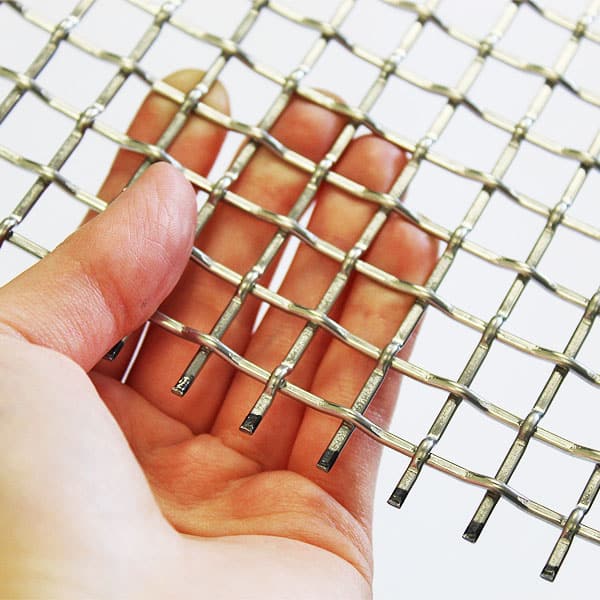
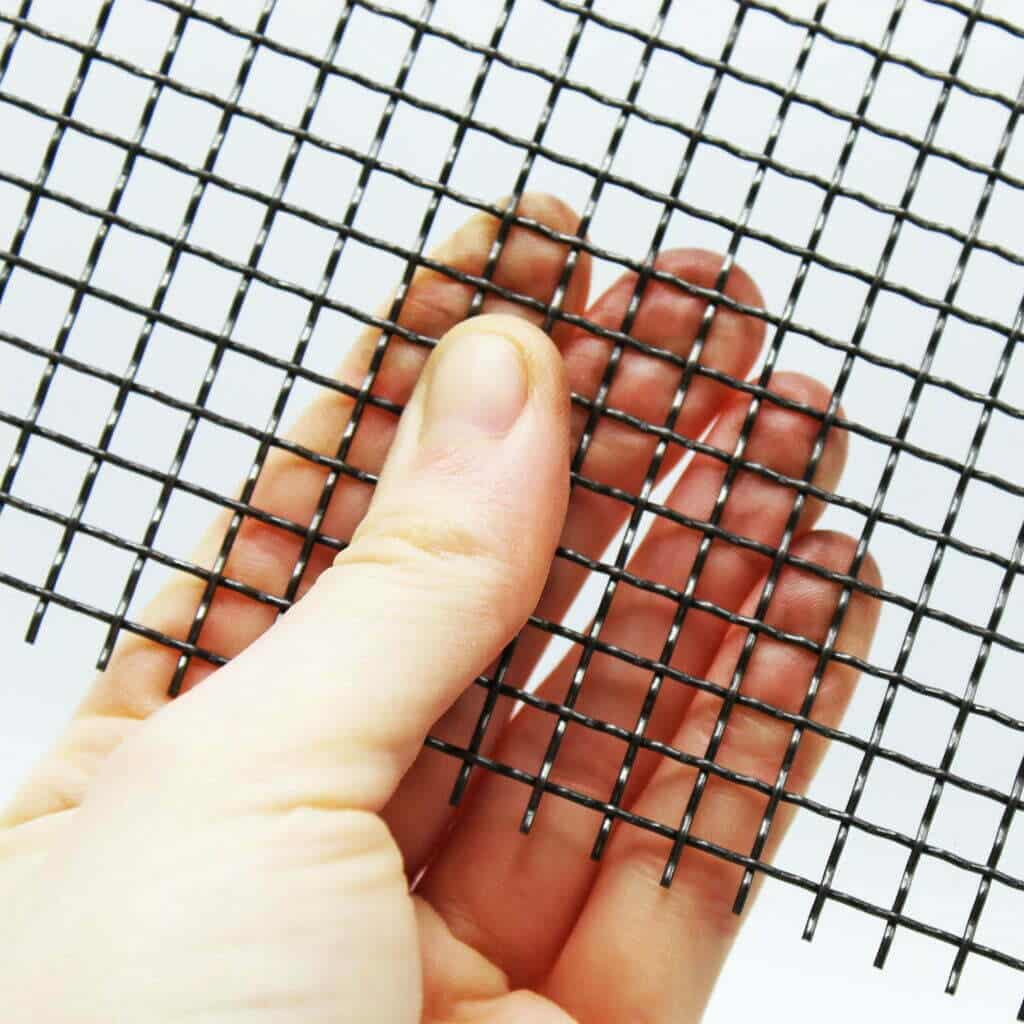
The thicker the wire, the more durable and resistant the mesh is to deformation. For heavy-duty applications, such as security fencing or industrial sieving, wire thickness is a crucial factor.
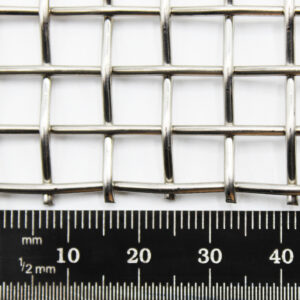
With its balance of hole size and wire strength, this mesh is ideal for animal enclosures and structural reinforcements.
The Role of Hole Size in Mesh Performance
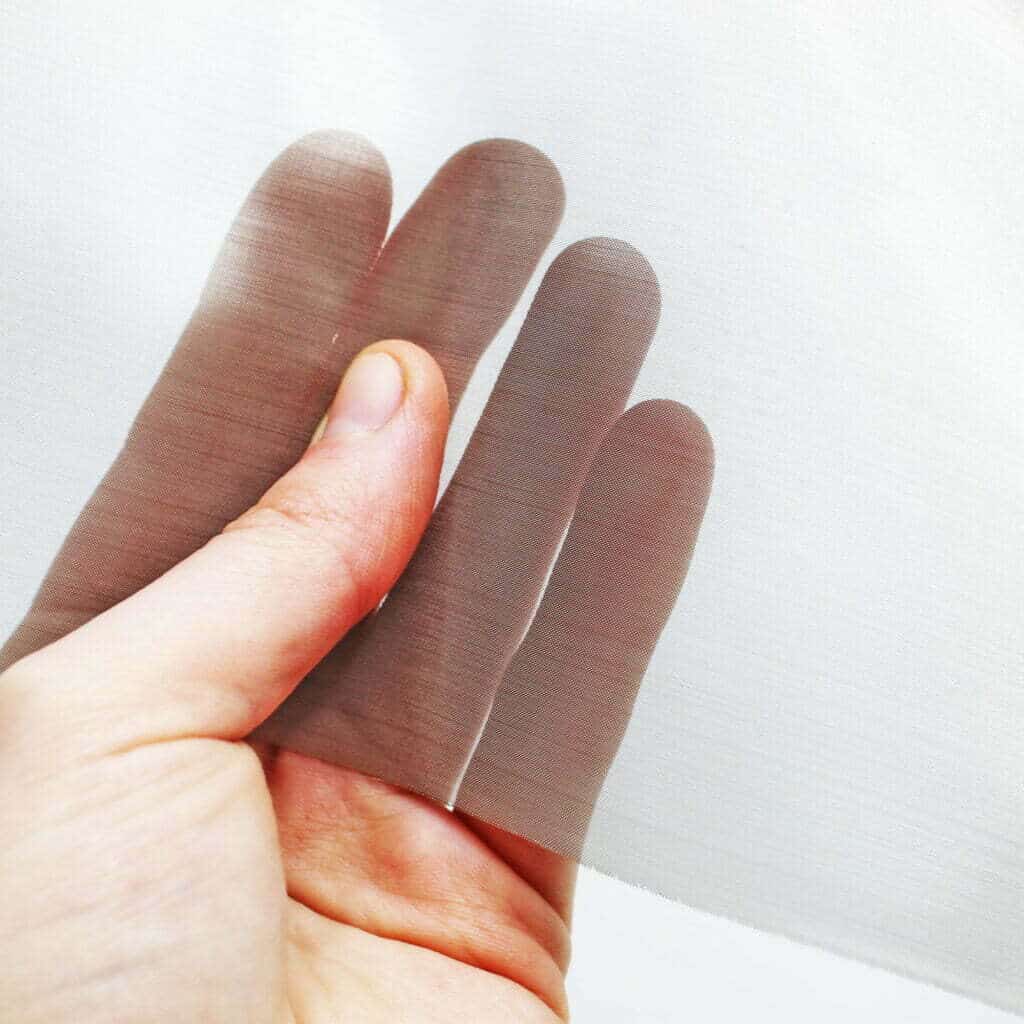
Hole size determines the type and size of particles the mesh can filter or block. Larger apertures are excellent for airflow and visibility, while smaller apertures provide finer filtration and greater privacy.
Wire thickness and hole size are the two most critical factors in determining the strength and functionality of woven wire mesh. By understanding the relationship between these elements, you can select the perfect mesh for your project.
Explore our extensive range at The Mesh Company and discover the ideal balance of strength, flexibility, and performance.
As always, thank you for checking out our blog. We hope that this helps you with your project. We try to launch a couple of new guides every week. Eventually we will have covered everything there is to cover about mesh.