Payments made with Elavon

Expanded vs. Woven vs. Perforated Mesh: Which Offers Better Ventilation?

When it comes to optimising airflow and ventilation, choosing the right type of wire mesh is essential. Whether you need it for industrial ventilation, air filtration, HVAC systems, or architectural applications, different types of mesh provide varying levels of air permeability, strength, and efficiency.

At The Mesh Company, we supply high-quality expanded, woven, and perforated mesh, each offering unique advantages. This article explores how mesh type, structure, and material impact airflow, helping you decide which is the best choice for your needs.

What You'll Learn in This Guide:

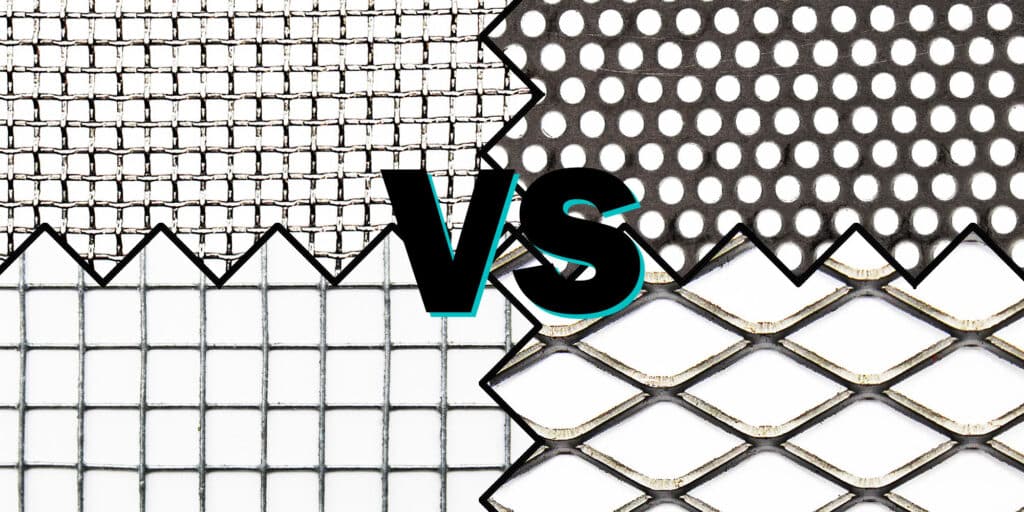
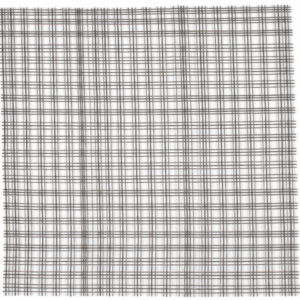
blog article comparing perforated, expanded, woven and welded mesh material

Understanding the Different Types of Mesh for Ventilation

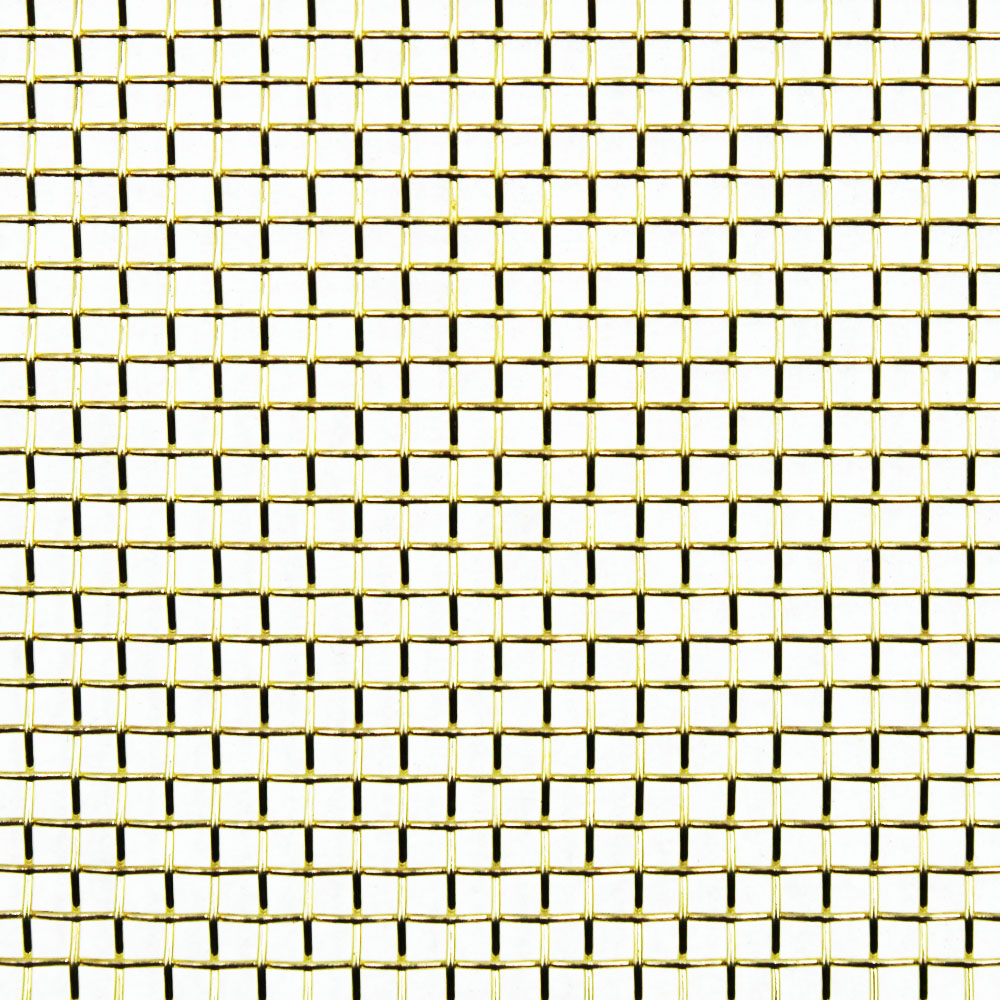
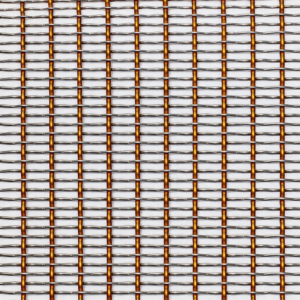
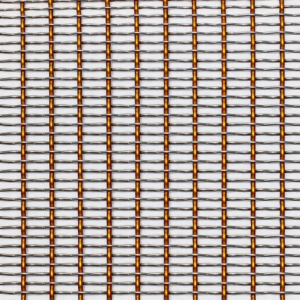
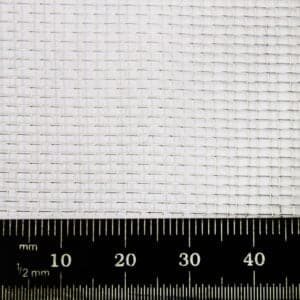
Woven Brass Mesh

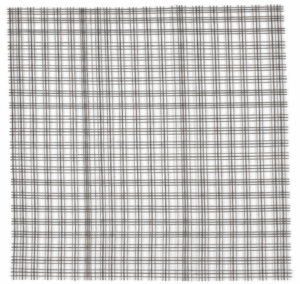
1. Woven Wire Mesh

Woven wire mesh is made by interlacing metal wires to create a flexible yet strong grid. The gaps between the wires, known as apertures, allow controlled airflow, making it an excellent option for filtration and ventilation applications.

Key Features of Woven Wire Mesh:
✔ Offers precise control over airflow with different weave densities
✔ Available in stainless steel, galvanised steel, brass, and aluminium
✔ Can be used for filtration, air vents, and protective screens
✔ More flexible than perforated or expanded mesh

Example from The Mesh Company:

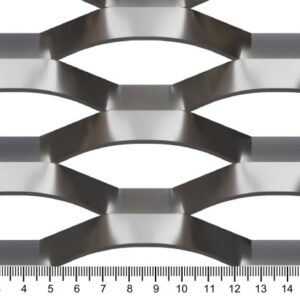
2. Expanded Metal Mesh

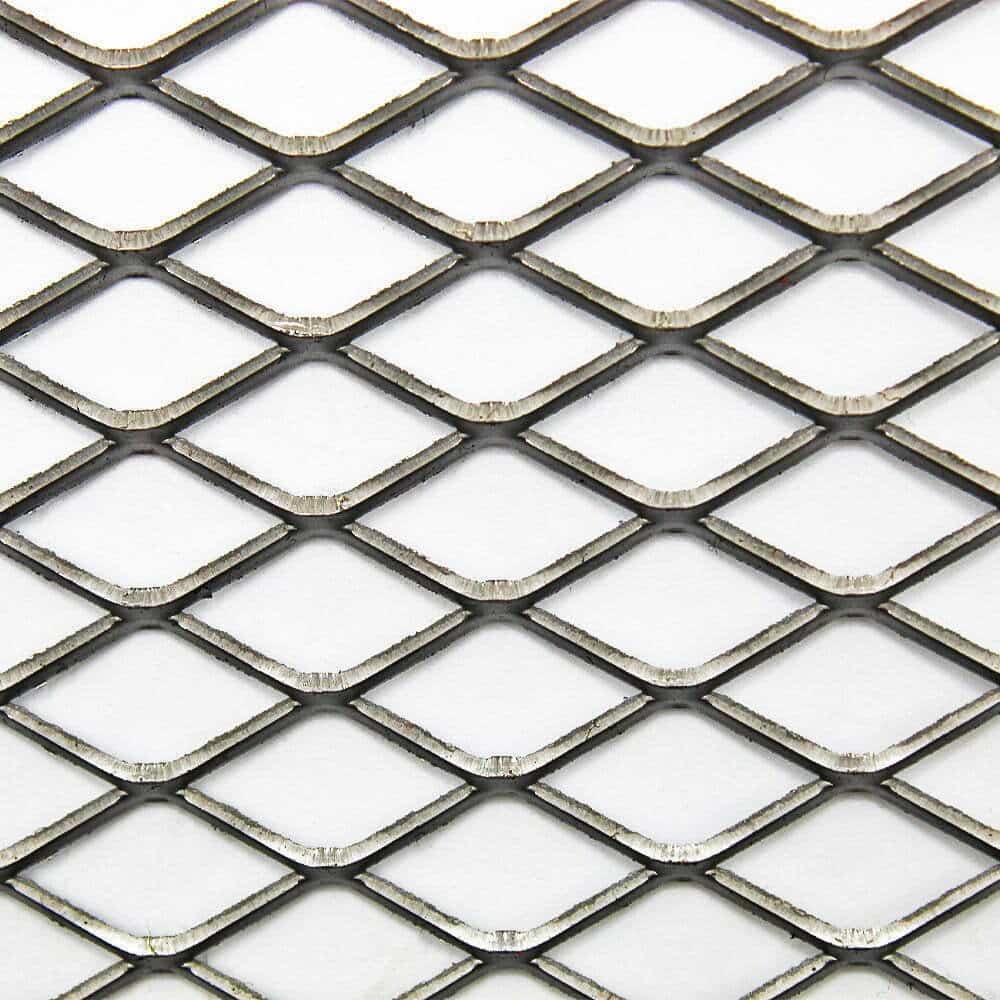
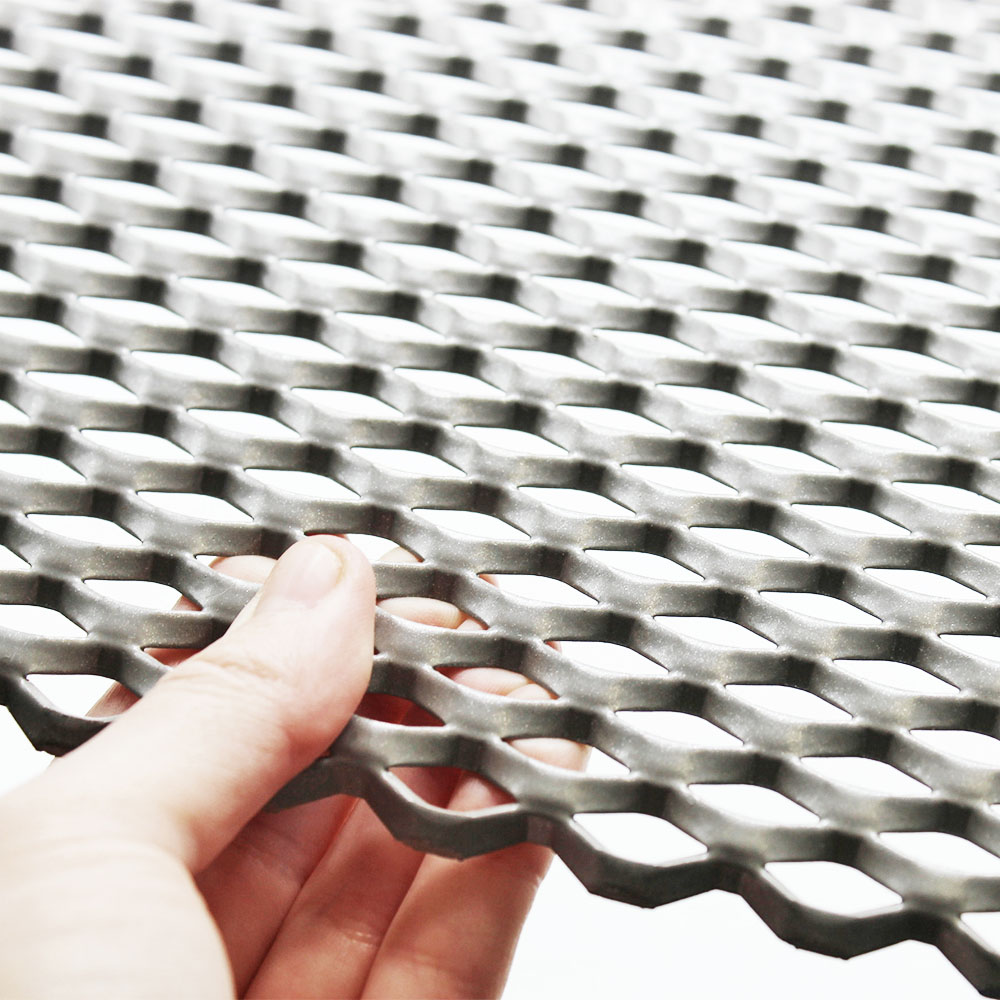
Expanded metal mesh is created by slitting and stretching a sheet of metal, forming diamond or hexagonal openings. Unlike woven mesh, it has no welds, making it stronger and more rigid.

Key Features of Expanded Metal Mesh:
✔ Offers strong structural integrity while allowing high airflow
✔ More rigid and durable than woven mesh
✔ Used in industrial ventilation, security screening, and machine guards
✔ Open area can vary depending on expansion size and metal thickness

expanded metal mesh

Example from The Mesh Company:

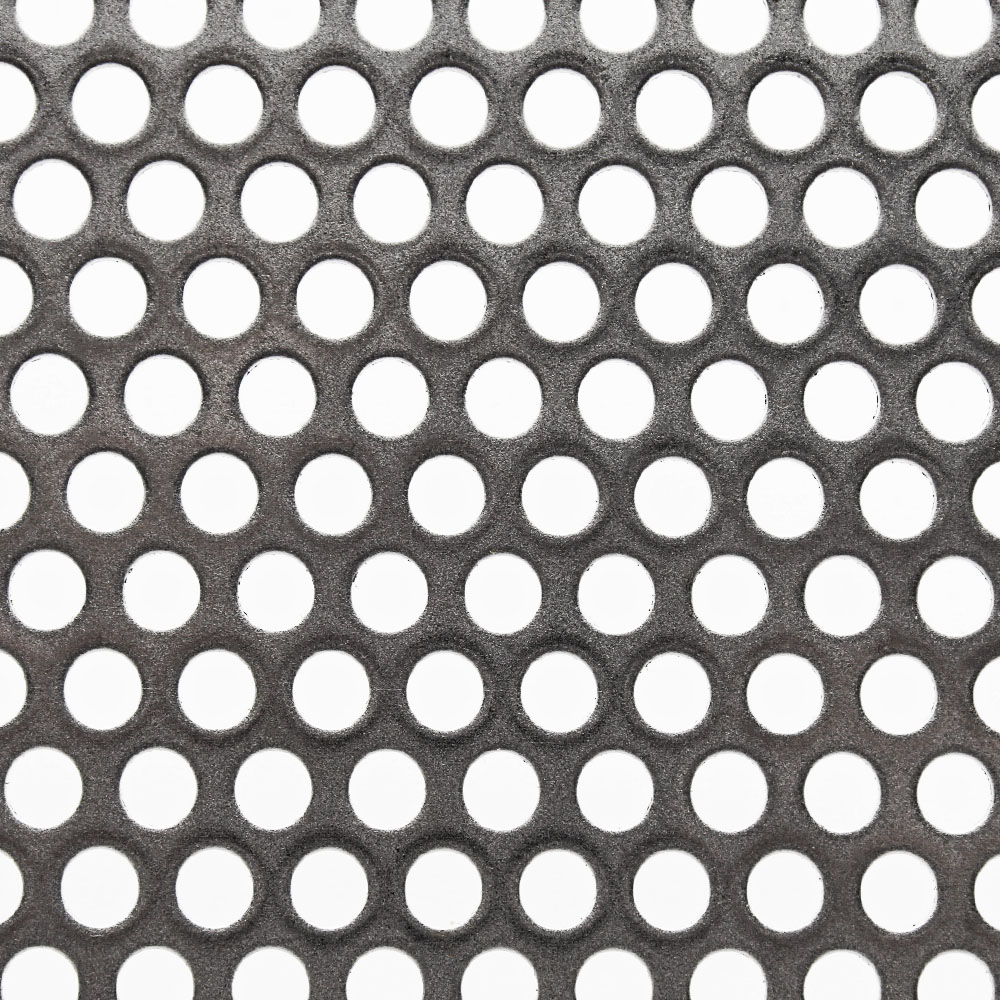
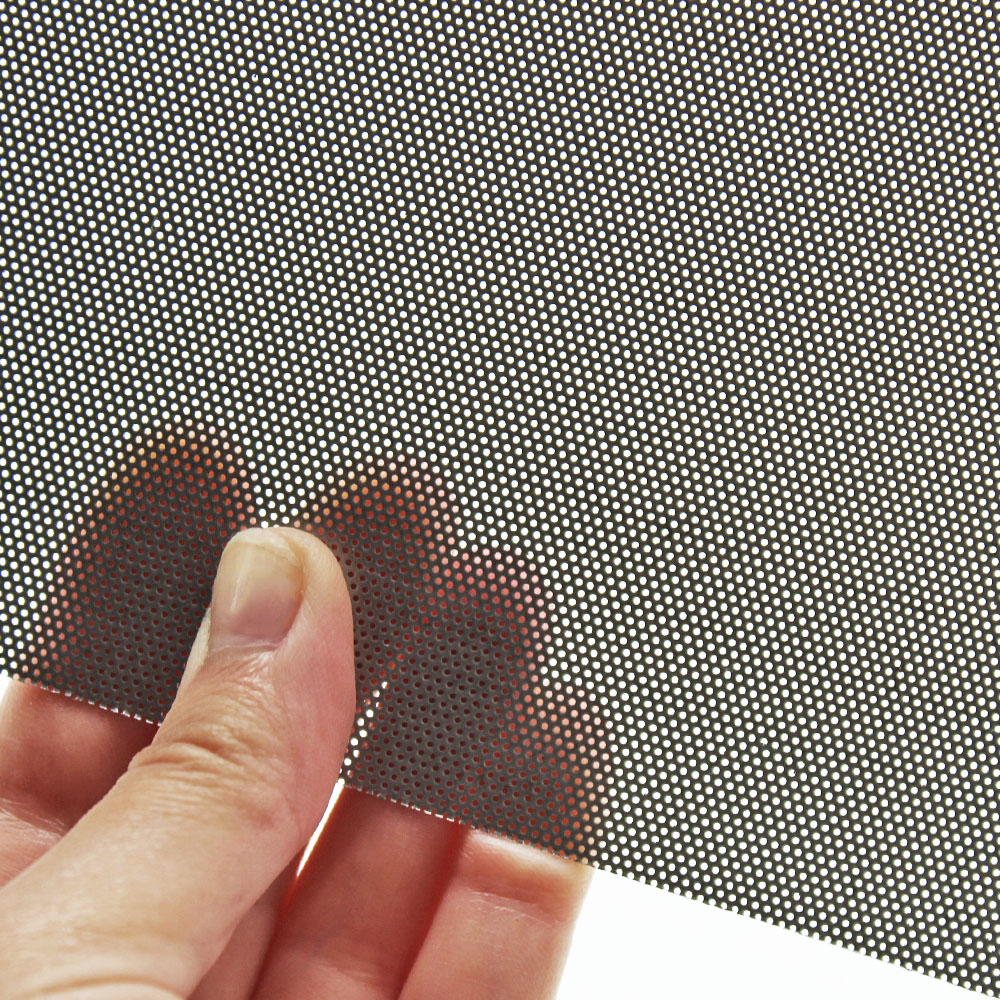
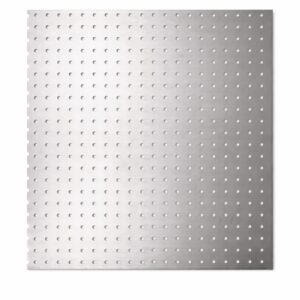
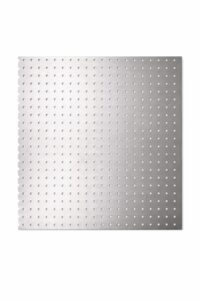
6mm Round Hole Mild Steel Perforated Steel Sheets - 8mm Pitch - 1mm Thick

3. Perforated Metal Mesh

Perforated metal mesh consists of a solid metal sheet punched with holes in a uniform pattern. The hole size, shape, and spacing determine its ventilation efficiency.

Key Features of Perforated Metal Mesh:
Controlled airflow based on hole design and pattern
✔ Available in round, square, and slotted hole patterns
✔ More aesthetically versatile than woven or expanded mesh
✔ Often used in architectural facades, HVAC systems, and decorative ventilation panels

Example from The Mesh Company:

  • Galvanised Perforated Metal Sheet (Round Hole) – Ideal for HVAC covers, modern architectural ventilation panels, and exhaust systems.

Comparing Mesh Types: Which One Offers the Best Ventilation?

1. Airflow Efficiency

Mesh TypeAirflow PerformanceBest Use Case
Woven Wire Mesh✅✅✅ Precise & adjustable airflowAir vents, HVAC filtration, insect screens
Expanded Metal Mesh✅✅ High airflow, but rigidMachine guards, outdoor ventilation, security screening
Perforated Metal MeshModerate airflow, adjustable hole sizeArchitectural facades, industrial exhaust systems

Winner for Maximum Airflow: Woven wire mesh, as its aperture size can be fine-tuned for airflow control.

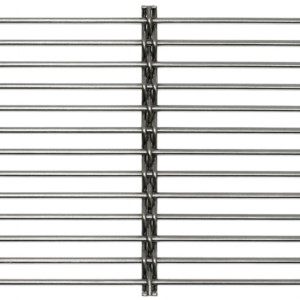
Should I Choose 4mm Hole Heavy Duty Woven Wire Mesh – 304 Stainless Steel?

2. Strength & Durability

Mesh TypeDurabilityBest Use Case
Woven Wire MeshFlexible but less impact-resistantAir filtration, insect screening
Expanded Metal Mesh✅✅✅ Very strong, no welds or joinsIndustrial barriers, high-impact environments
Perforated Metal Mesh✅✅ Strong but depends on hole-to-metal ratioStructural ventilation, architectural panels

Winner for Strength: Expanded metal mesh, due to its continuous, unbroken structure.

Aluminium Expanded Metal Mesh Lath | Clearance Stocks

3. Aesthetic & Design Versatility

Mesh TypeVisual AppealBest Use Case
Woven Wire MeshFunctional but industrialHVAC covers, insect screens
Expanded Metal Mesh✅✅ Textured & modernSecurity barriers, air intake screens
Perforated Metal Mesh✅✅✅ Highly customisable, sleek lookDecorative ventilation, architectural features

Winner for Aesthetic Appeal: Perforated metal mesh, due to its wide range of hole shapes and patterns.

Choosing the Right Mesh for Your Ventilation Needs

Best Mesh for Industrial Ventilation

  • Expanded metal mesh is best for heavy-duty air circulation systems, such as factories, workshops, and industrial sites.
  • Recommended Product: Mild Steel Expanded Metal Mesh

Best Mesh for Air Filtration & HVAC Systems

  • Woven wire mesh is ideal for controlling airflow while filtering dust and particles in HVAC systems and air vents.
  • Recommended Product: Fine Stainless Steel Woven Mesh

Best Mesh for Architectural Ventilation

  • Perforated metal mesh provides both ventilation and visual appeal, making it ideal for modern buildings, facades, and office ventilation panels.
  • Recommended Product: Galvanised Perforated Metal Sheet
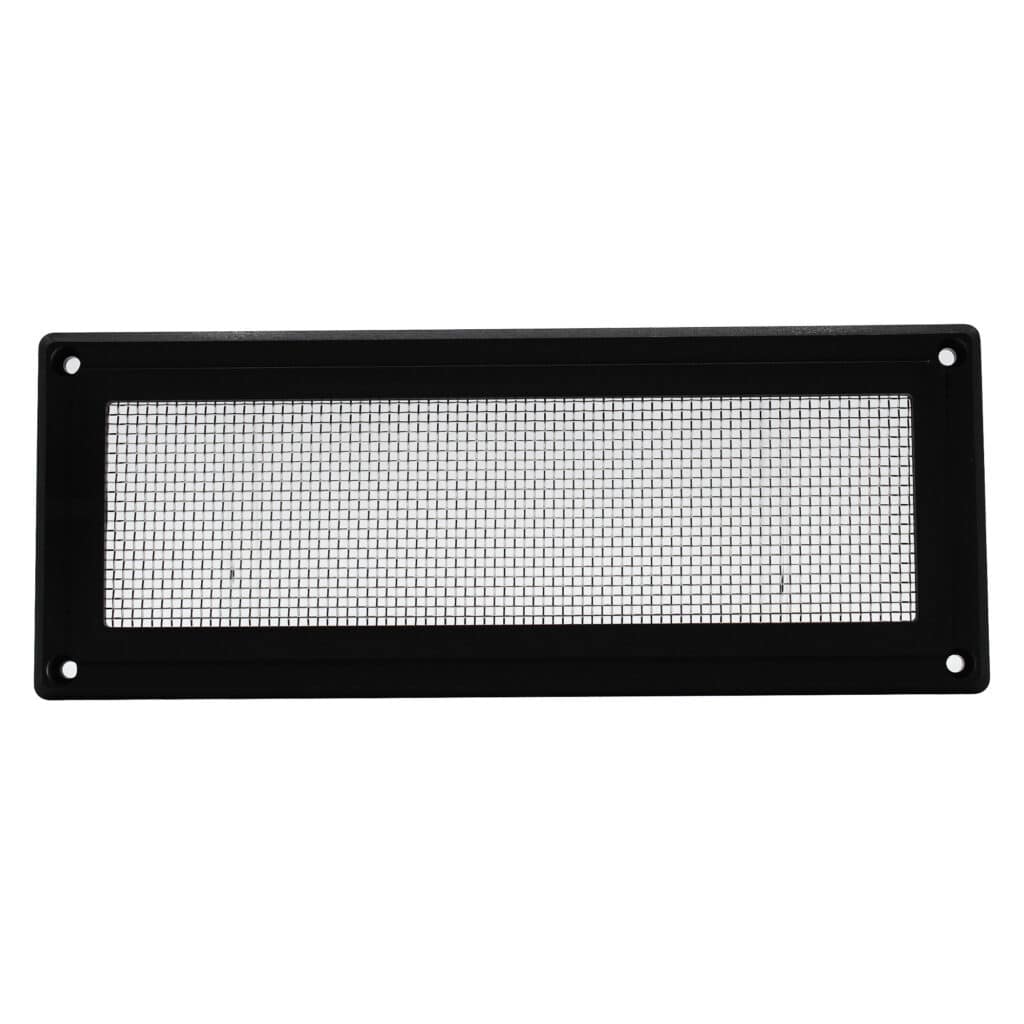
black air brick vent mesh covers

Conclusion: Which Mesh Type is Best for Ventilation?

It depends on your needs!

  • Precise airflow controlChoose woven wire mesh
  • Strong, rigid panelsChoose expanded metal mesh
  • Architectural & decorative ventilationChoose perforated metal mesh

At The Mesh Company, we offer a wide selection of expanded, woven, and perforated mesh to meet any ventilation requirement. Our expert team can help you select the perfect material for your project.

Explore our full range of ventilation mesh at The Mesh Company today!

As always, thank you for checking out our blog. We hope that this helps you with your project. We try to launch a couple of new guides every week. Eventually we will have covered everything there is to cover about mesh. 

You may be interested in our blog that explores how to build a chicken coop. 

Our goal for our blogs and help guides is to answer as many questions as possible to help to explain the possibilities of mesh to our customers. 

The Mesh Company logo
Related Posts

Related Products